Best Cuticle Oils (and How to Actually Use Them)
Which cuticle oil is best? The ingredients that matter, oil vs cream vs pen, how often to apply it and the cuticle oils we recommend for dry, peeling nails.
As an Amazon Associate, Naillie earns from qualifying purchases. This does not change the price you pay. Learn more.
In this article 6
If you only add one product to your nail routine, make it cuticle oil. It’s cheap, takes ten seconds, and it’s the difference between nails that peel and nails that grow. Here’s how to choose one — and how to use it properly.
In short: the best cuticle oil for most people is a simple, lightweight oil with jojoba oil or vitamin E, used once a day, massaged around each cuticle and nail. Oil keeps nails and the skin around them flexible, which helps reduce peeling, breakage, and hangnails. It does not replace gentle filing, careful removal, or a basic nail-care routine, but it is the small daily step that makes the rest of that routine work better.
Why cuticle oil matters
Nails are made of layers of keratin. When they dry out, those layers separate (peeling) and become brittle (breaking). Oil keeps them flexible, so they bend instead of snapping. It also softens cuticles and prevents painful hangnails.
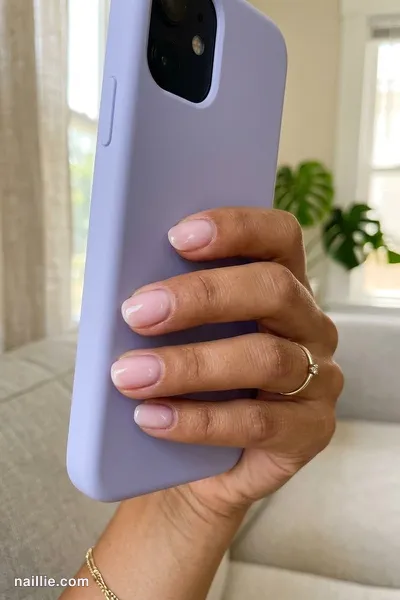
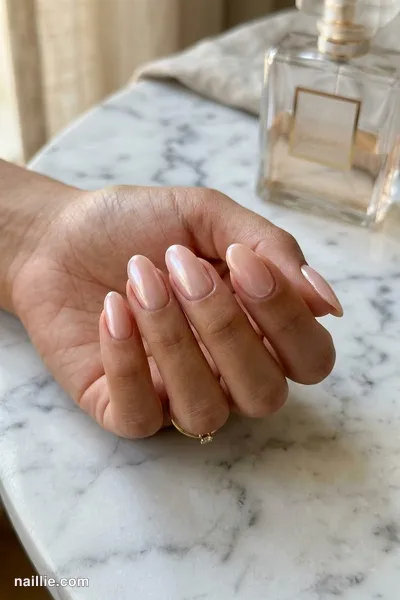
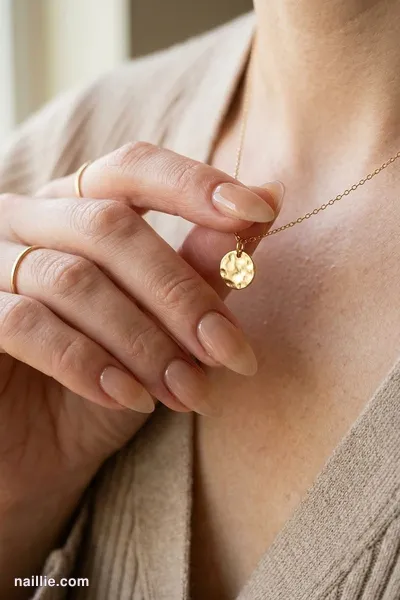
The cuticle is the thin rim of skin that protects the area where the nail grows. When that skin is dry, it can crack, catch on clothing, and tear into a hangnail. A drop of oil softens that rim, makes it look neater, and makes it easier to push back gently after a shower, rather than cutting or tearing it. Healthy-looking cuticles also make a simple manicure look more finished, even without color, because sheer and natural finishes show every rough edge.
Dryness is not only a winter problem. Frequent hand washing, dishwashing without gloves, hand sanitizer, acetone-based remover, and cold or dry air can all strip moisture from nails and skin. If your nails bend and then snap, peel in thin layers, or snag at the tips, dryness is a likely contributor. Oil will not change the shape of your nails or make them hard overnight, but flexible nails are less likely to split under everyday pressure, such as typing, opening a package, or catching a nail on a pocket.
Think of cuticle oil as maintenance, not repair after damage has already happened. Used daily, it helps the nail plate and surrounding skin stay supple between manicures. Used only once in a while, it can still feel soothing, but it is less likely to keep peeling and hangnails under control. The habit matters more than the exact bottle, which is why a format you will actually use every day is often the best choice.
Ingredients to look for
| Ingredient | Why it’s good |
|---|---|
| Jojoba oil | Very similar to skin’s own oils; absorbs well |
| Vitamin E | Conditioning and protective |
| Sweet almond oil | Rich and softening |
| Sunflower / avocado oil | Nourishing, lightweight |
Avoid heavily fragranced oils if your skin is sensitive.
When you read a label, look for a short, recognizable ingredient list with a plant oil near the top, rather than a long list of fragrance and fillers. Jojoba oil is popular because it feels light, absorbs without a heavy greasy finish, and suits daily use under hand cream. Vitamin E is often added as a conditioning ingredient and can give an oil a slightly richer feel. Sweet almond oil is heavier and softening, which can suit very dry hands, while sunflower and avocado oils are generally light, nourishing options for everyday use.
Fragrance is a matter of preference and skin sensitivity, not performance. A strongly scented oil can be pleasant, but if your skin is reactive, or if you work with your hands close to your face, an unscented or lightly scented oil is the safer starting point. The same applies to essential oils: a small amount can add scent, but a high concentration can irritate sensitive skin, especially around a torn cuticle or hangnail. If a new oil stings, reddens the skin, or causes itching, stop using it and switch to a plain, unscented oil.
Who should be careful about certain oils? If you have a tree-nut allergy, be cautious with sweet almond oil and check the full ingredient list before use, since nut-derived oils are common in nail care. If you have eczema, broken skin, or a nail infection, avoid applying oil to broken or inflamed skin and do not try to push back a sore cuticle. In those cases, let the skin settle first, keep the area clean, and seek professional advice if redness, swelling, or pain does not improve. A patch test on the back of one hand before first use is a simple way to check for a reaction.
Our picks
Best overall
CND SolarOil Nail & Cuticle Care
The cuticle oil nail techs swear by. A tiny bottle lasts months.
- Absorbs fast
- Natural oils
- Long lasting
A dropper bottle is a practical choice for home use. Keep it where you already have a nightly habit, such as beside your bed or on your bathroom shelf, and apply one drop per nail before bed. A dropper also makes it easy to control the amount, so you can use a small amount daily without a greasy finish.
Best on the go
Cuticle Oil Pens (Multi-Pack)
Keep one in your bag, desk and car — no more excuses for dry cuticles.
- Portable
- No mess
- Multi-pack
A pen format suits a bag, desk drawer, or car console, because it is mess-free and easy to use without a separate dropper or brush. It is a good second format to keep for midday use, especially after washing your hands, while your main bottle stays at home for the nightly routine.
Best budget balm
Burt's Bees Lemon Butter Cuticle Cream
Rich, affordable cuticle balm that smells amazing. Great overnight.
- Affordable
- Rich texture
- Lovely scent
A balm or cream format is richer than a light oil, which makes it a good choice overnight or in cold weather. Apply it after oil, or use it on its own when hands feel very dry, and let it sit while you sleep so it has time to soften the cuticle and surrounding skin.
Oil vs cream vs pen
- Oil absorbs fastest — best for daily use.
- Cream or balm is richer — great overnight or in winter.
- Pens are mess-free — ideal for your bag or desk.
The main difference is texture and convenience, not a strict rule about which one works. A light oil absorbs quickly, so it suits daytime use and use under hand cream. You can apply it, massage it in for a few seconds, and carry on without waiting for it to dry. A cream or balm sits on the surface longer, which can feel protective on very dry skin, but it may leave a richer finish on fingertips. A pen gives a precise, controlled amount with little mess, which is helpful if you dislike oily fingers or need to apply oil away from home.
Many people use more than one format. For example, a light oil at night, a pen during the day, and a richer balm in winter or after a gel removal can cover different situations without complicating the routine. If you prefer to keep it simple, choose one format you like and use it daily; consistency will do more than owning several products you rarely reach for.
When choosing between them, consider your skin, your manicure, and your routine. Very dry or cracked cuticles often benefit from a richer balm at night, while a sheer or natural manicure benefits from a light oil that will not leave a heavy film. If you type all day, a fast-absorbing oil or a pen may be more practical than a thick balm. If your hands are often in water, a nightly routine with oil followed by hand cream is often more useful than a single application in the morning.
How to use cuticle oil (the right way)
- Apply one drop per nail at the cuticle.
- Massage it into the cuticle, the nail and the tip for 10–20 seconds. Massage is what drives it in.
- Do it before bed and after washing up or removing gel.
- For very dry nails, apply oil, then a hand cream on top to lock it in.
Timing matters. The easiest habit is to apply oil last thing at night, when you do not need to wash your hands again and the oil can sit on the skin. In the morning, a small amount after washing your hands can help, but let it absorb before handling paper, fabric, or a keyboard if you dislike a slippery feel. After washing dishes, cleaning, or using hand sanitizer, reapplying a small amount can replace moisture that washing removes.
Massage is more than a nice extra. Use the pad of your thumb or finger to work the oil around the cuticle, across the nail plate, and along the free edge, where the nail tip meets the skin. Gentle, circular pressure helps distribute the oil evenly and softens the cuticle rim. Avoid pushing hard, cutting live cuticle skin, or pulling at a hangnail. If you push cuticles back, do it gently after a warm shower, when the skin is soft, and stop if it hurts.
Do not apply oil immediately before a gel, polish, or press-on application. Oil on the nail plate can interfere with adhesion, so the nail surface should be clean, dry, and free of oil before you apply product. Apply oil after your manicure is fully cured or dry, and use it daily while you wear it. After removal, oil is especially useful: soak-off and filing can leave nails dry, so a few days of nightly oil, plus a strengthener if your nails feel thin, can help them feel more comfortable as they recover.
Common mistakes are easy to avoid once you know them. Using too much oil at once does not help more than a small, well-massaged amount, and it can leave hands greasy. Applying oil only when nails already look damaged misses the daily maintenance benefit. Cutting cuticles, peeling hangnails, or filing back and forth can undo the benefit of oil by creating tears and weak points. Wearing gloves for dishes and cleaning, filing in one direction with a glass file, and removing polish or gel gently are simple habits that protect the same nails oil is meant to support.
Cuticle oil + gel
Oil is especially important if you wear gel or press-ons: flexible nails hold product better and recover faster after gel removal.
Build it into a full nail care routine with a strengthener and a glass file, and you’ll see a difference in a few weeks.
Gel and press-ons sit on top of the natural nail, so the condition of that nail underneath still matters. A dry, brittle nail is more likely to peel, bend, or break under a gel manicure, and a rough cuticle can make lifting more noticeable at the base. Daily oil around the cuticle, rather than on the gel surface itself, helps keep the natural nail flexible and the surrounding skin neat while the manicure is on. It does not dissolve cured gel when used this way, and it should not cause a well-applied gel manicure to lift on its own.
The key is when you apply it. Apply oil after gel is cured, and keep it to the cuticle and skin around the nail, not pooled under a lifted edge. If gel has already lifted, do not try to seal it with oil; clip or file away the loose part, or remove the manicure properly, rather than letting water and oil sit underneath it. After removal, follow the same nightly oil habit for a few days, avoid peeling gel off, and give thin nails a break from long-wear product if they feel sore or look very thin.
For press-ons, the same timing applies: prep the natural nail clean and oil-free before application, then use oil daily around the cuticle while wearing them and after removal. For builder gel, which adds structure to weak nails, oil still supports the skin around the nail and helps the natural nail feel less dry as it grows out. In all cases, oil is a support step, not a substitute for proper prep, thin coats, correct curing, or gentle removal.
If you are unsure whether oil suits your situation, use this simple guide. Use a plain, unscented oil daily if your nails are dry, peeling, or prone to hangnails. Use a richer balm at night if your hands are very dry or it is winter. Skip oil on broken, red, or painful skin, and avoid nut-derived oils if you have a relevant allergy. Stop and seek advice if redness, swelling, or pain spreads, or if a nail changes color, lifts from the nail bed, or becomes painful, since those signs need professional attention rather than home care.
Frequently asked questions
Does cuticle oil really work?
Yes. It keeps the nail and surrounding skin flexible, which reduces peeling, breakage and hangnails. It works best when used daily, ideally before bed, with a short massage around each cuticle. It will not make nails grow faster or repair damage overnight, but consistent use helps flexible nails bend instead of snapping, and it supports recovery after gel or polish removal when paired with gentle filing and careful removal.
How often should I use cuticle oil?
At least once a day — ideally before bed — and again after washing your hands or removing polish. If your hands are very dry, if you wash dishes or clean without gloves, or if it is winter, twice a day can help: a small amount in the morning and a fuller application at night, followed by hand cream for very dry skin. The key is consistency, so keep the oil where you will actually use it every night.
Can I use cuticle oil on gel nails?
Yes. Cuticle oil is great for gel manicures because it keeps the natural nail flexible underneath, which helps prevent lifting. Apply it around the cuticle after the gel is fully cured, not before application, since oil on the nail plate can interfere with adhesion. Use it daily while wearing gel, and again after removal to help dry nails recover. If gel has already lifted, remove it properly rather than trying to seal it with oil.